Current condition
Record the flour, supplier and batch, sample condition and upstream production state. Describe the behaviour you have actually observed during weighing, bagging and finished-pack checks, together with the method used to assess it.
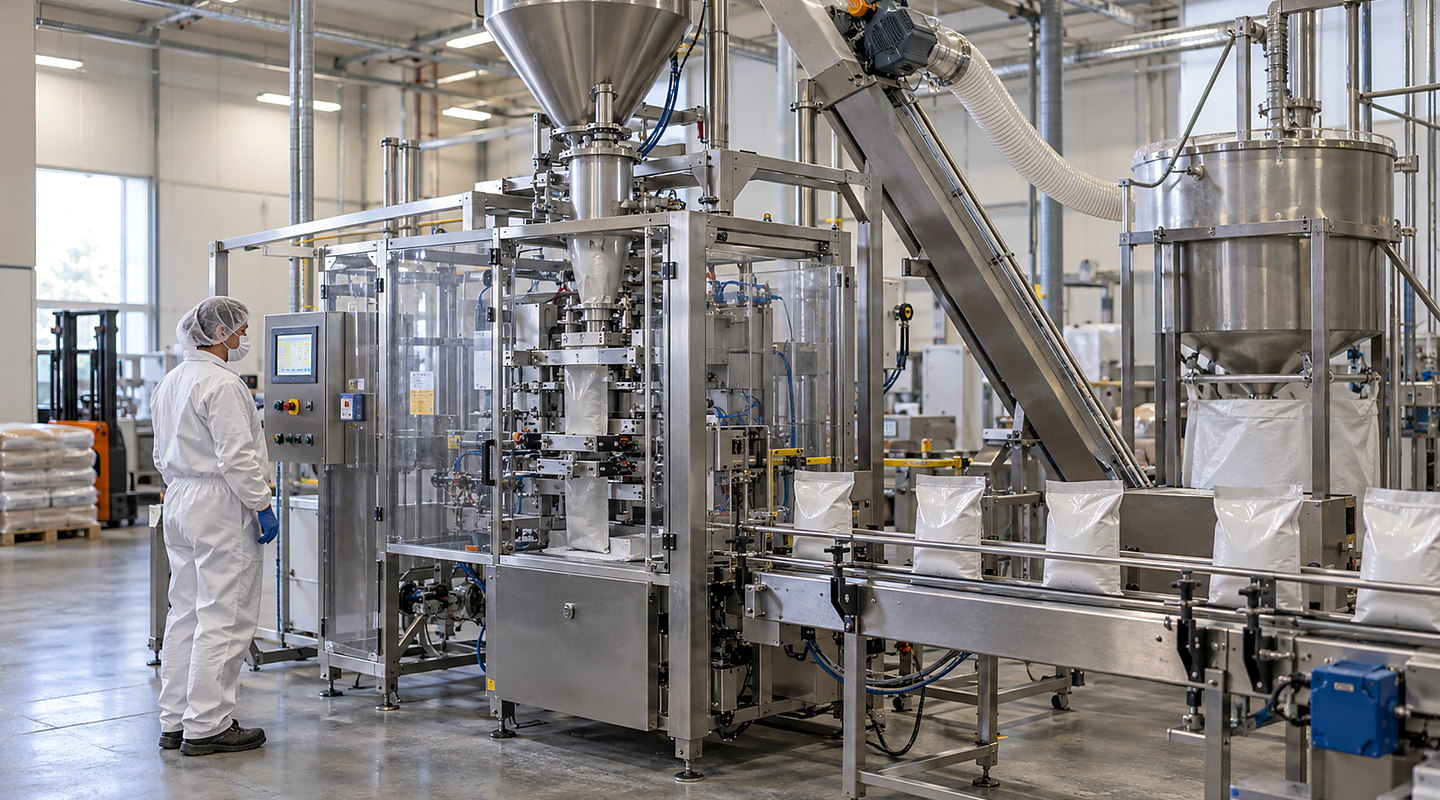
How should flour weighing & bagging product behaviour be investigated before specifying flour bagging machines?
Provide representative flour samples from normal and difficult production conditions, with the supplier, batch and sample condition recorded. Describe how the flour is weighed and bagged now, the pack-weight range, required output and any observed changes that affect the result.
For routine production using flour weighing and bagging, describe the realistic range and how changes in flour weighing & bagging product behaviour affect the result you need.
Plan flour bagging machines around your product, pack range, target output, cleaning needs and finished-pack checks. Discuss a practical line concept with Lancing using representative samples. Use this guide to resolve flour weighing & bagging product behaviour before it limits the final system.
Discuss your application

Record the flour, supplier and batch, sample condition and upstream production state. Describe the behaviour you have actually observed during weighing, bagging and finished-pack checks, together with the method used to assess it.
Include the flour batches, product conditions and production states that are credible for your operation. Mark normal samples and difficult cases separately, and record changes over time rather than relying on one sample.
Connect each observed change in the flour to its effect on the current process: handling, weighing, bagging, settings, cleaning or the finished-pack result. State the outcome you need the trial to demonstrate.
Identify each flour sample by supplier or batch and its recorded condition. Describe observed flow during hopper loading, dosing and discharge, including bridging, settling or dusty handling where these occur in your process.
Record the bag construction, size and closing method used with each flour observation. Keep bag-mouth presentation and transfer conditions with the record so product behaviour is assessed in the intended packaging context.
Keep the target net weight, agreed variation, tare and filled-weight results with each sample or run. Record how the result was measured so a changed outcome is not reduced to an unexplained nominal value.
State the accepted bags per hour, batch length, refill and short-stop pattern for each observation. Note the upstream supply, closing and discharge conditions that apply when the behaviour is assessed.
Record product changes, emptying and the site cleaning procedure used before each observation. Include access or restart conditions that affect how the trial is run, and check the first accepted bags after restart.
Link the flour observation to the recorded filled-bag weight, bag condition and closing checks. Note any rejected-bag handling or restart checks required when an observed change gives an unacceptable result.